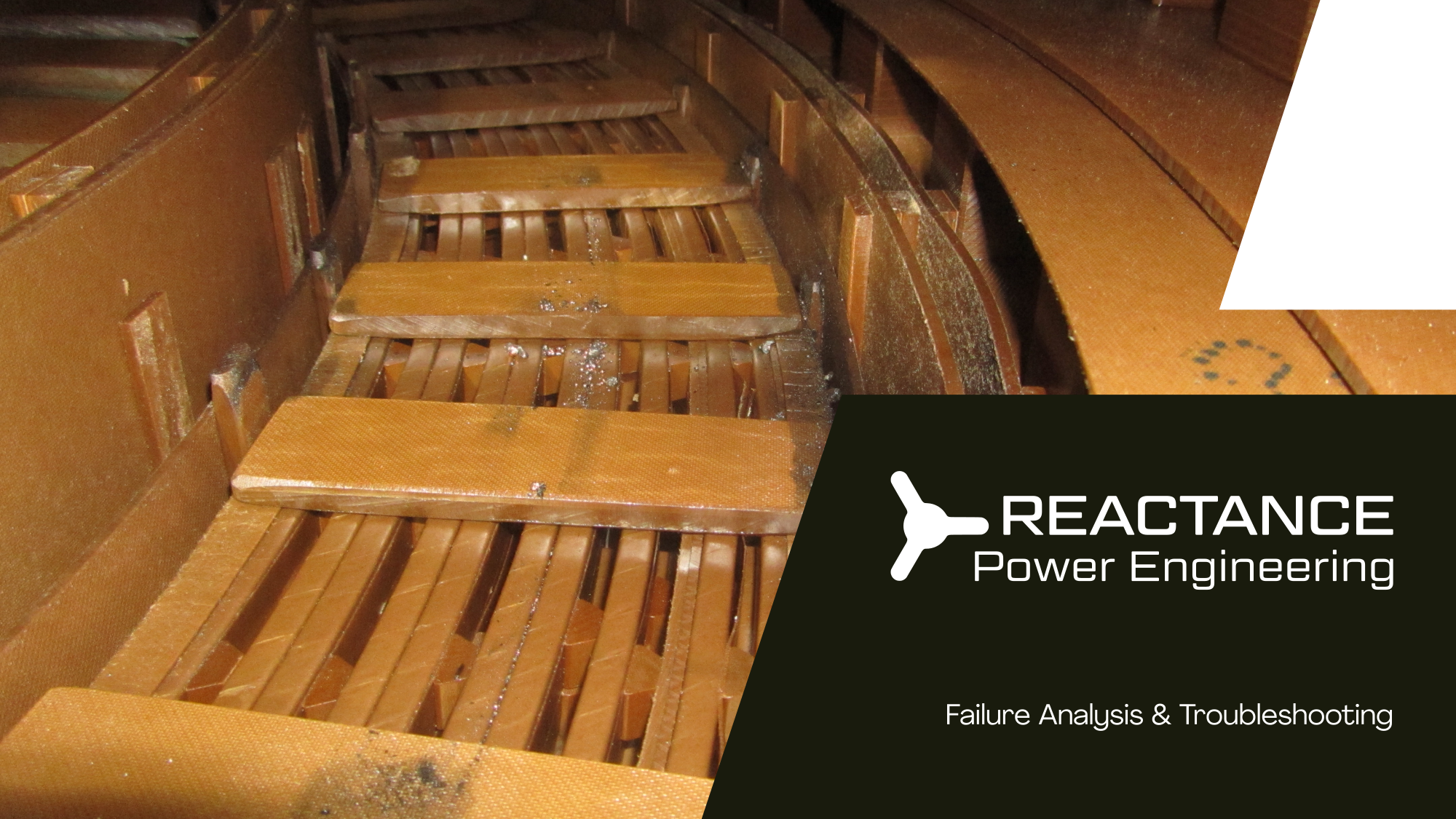
Failure Analysis & Troubleshooting
When a failure occurs and fast return-to-service is critical, we help quickly identify practical engineering solutions. This includes urgent replacement component selection, adaptation of existing equipment to available alternatives, and development of temporary or permanent corrective measures within realistic delivery times.
Most Common Transformer Failures
On-Load Tap Changers (OLTC): According to IEC and CIGRE statistics, OLTC failures remain the leading cause of transformer outages, representing approximately 40–45% of all major failures.
HV Bushings (110–500 kV): Older oil-paper condenser bushings, especially designs manufactured before the mid-1990s, remain a major reliability concern. Typical issues include insulation aging, increasing tan δ values, and C1 capacitance deviation.
Active Part: Turn-to-turn insulation failures, inter-coil faults, and winding deformation — especially in regulating windings — often occur after external short-circuit events.
Tank, Cooling & Oil System: Typical issues include oil leaks at weld seams and radiator gaskets, failures of cooling fans and oil pumps, and clogging of oil coolers.
Magnetic Core: Core faults include shorted laminations, overheating caused by circulating currents, and localized "core burning" due to loosened clamping structures.
We assess the actual scale of the damage, define the root cause, and develop mitigation and prevention measures to reduce the risk of repeated failures.
Explore troubleshooting services →
DGA Interpretation
Stop guessing what's happening inside your transformer
Every fault inside an oil-filled transformer or shunt reactor — partial discharge, overheating, arcing, paper degradation — leaves a chemical fingerprint in the oil. DGA Interpretation reads that fingerprint and tells you exactly what's happening, where, and how urgent it is — months before a Buchholz trip or catastrophic failure.
What you get
Expert analysis using IEC 60599, Duval Triangles & Pentagon, Rogers Ratios, and gas-generation trending
Fault type identification: PD, low/high-energy discharge, thermal faults, cellulose involvement
Severity assessment and remaining-life indication
Clear actionable recommendations: keep running, increase sampling, plan outage, or trip now
Post-event diagnostics after Buchholz operation, through-faults, or overloads
Why it matters
70–80% of major transformer failures can be predicted weeks or months in advance through proper DGA interpretation. One prevented failure on a 250 MVA unit pays for decades of monitoring.
Explore DGA interpretation →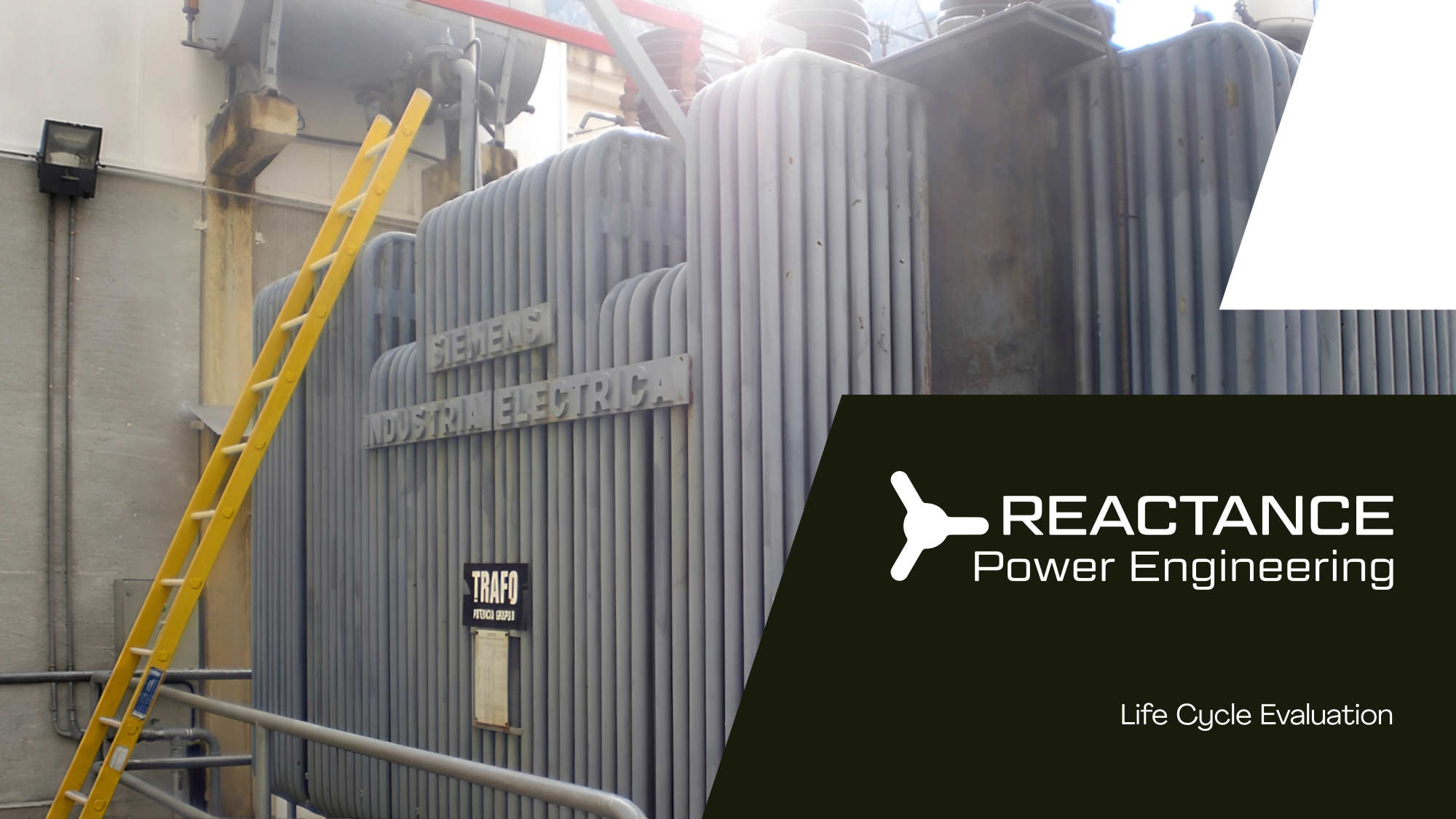
Life Cycle Evaluation
Know exactly where every transformer in your fleet stands — and what to do about it
Delivered as: Health Index, residual life forecast, Probability of Failure, and a prioritized action plan.
Risks you eliminate
Catastrophic in-service failures — bushing explosions, OLTC arcing, winding breakdowns
Costly wrong decisions — replacing healthy units or running dying ones
Unplanned outages and penalties for undelivered energy
Hidden defects: corrosive sulphur, cellulose ageing, mechanical winding deformation
Regulatory and insurance exposure — defensible, data-driven asset decisions
A comprehensive condition and residual life assessment combining
Full electrical diagnostics: insulation, tan δ, SFRA, DFR, winding resistance, bushing tests
Advanced oil analysis: DGA, furans, DP estimation, DBDS, methanol, moisture
Thermal imaging, vibration analysis, RPN/OLTC condition check
Historical data review and operational stress assessment
Outcome
Confident CAPEX allocation, extended asset life, fewer surprises. Typical ROI on a single avoided replacement or failure: 30–100×.
Explore life cycle evaluation →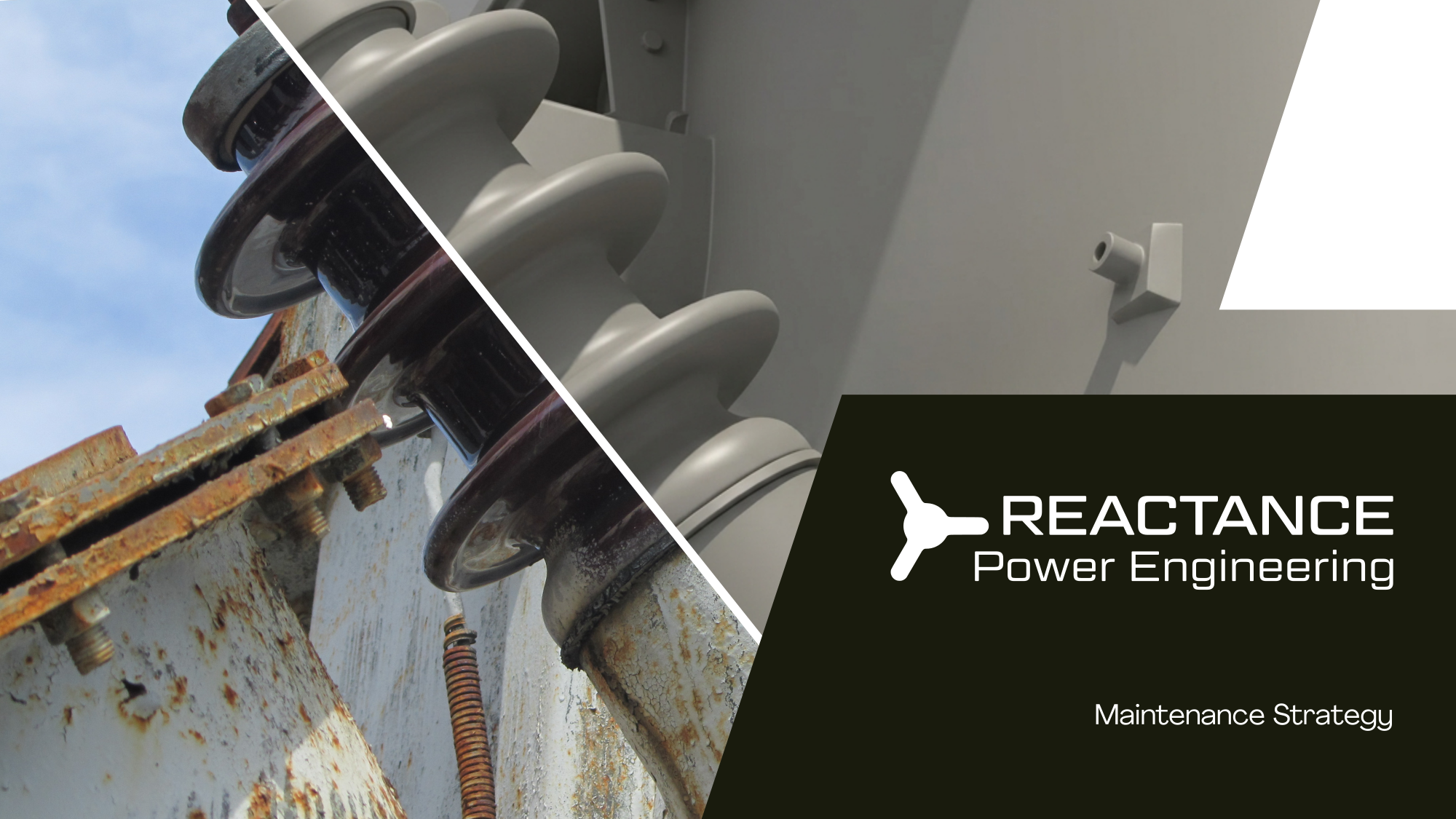
Maintenance Strategy
Transform your transformer fleet management from reactive firefighting to data-driven, risk-based decision-making. Building on Life Cycle Evaluation results, we develop a tailored long-term strategy that defines exactly what to maintain, when, how, and at what cost — for each unit individually and your fleet as a whole.
What you get
A 10–20 year roadmap covering condition-based maintenance plans, refurbishment vs. replacement decisions, spare parts strategy, monitoring programs, CAPEX/OPEX projections, and measurable KPIs — fully aligned with your business goals and regulatory requirements.
Critical risks mitigated
Unexpected catastrophic failures of aging critical units
More →Misallocated maintenance budgets (overspending on healthy assets, underspending on at-risk ones)
Regulatory pushback on unjustified investment programs
Supply chain disruptions due to late ordering (current lead times: 24–36 months)
Loss of institutional knowledge when key experts retire
Typical results
10–25% reduction in maintenance and investment costs, 3–5x fewer unplanned outages, defensible business cases for regulators, and predictable long-term budget planning.
Stop guessing. Start managing your fleet on facts.
Explore maintenance strategy →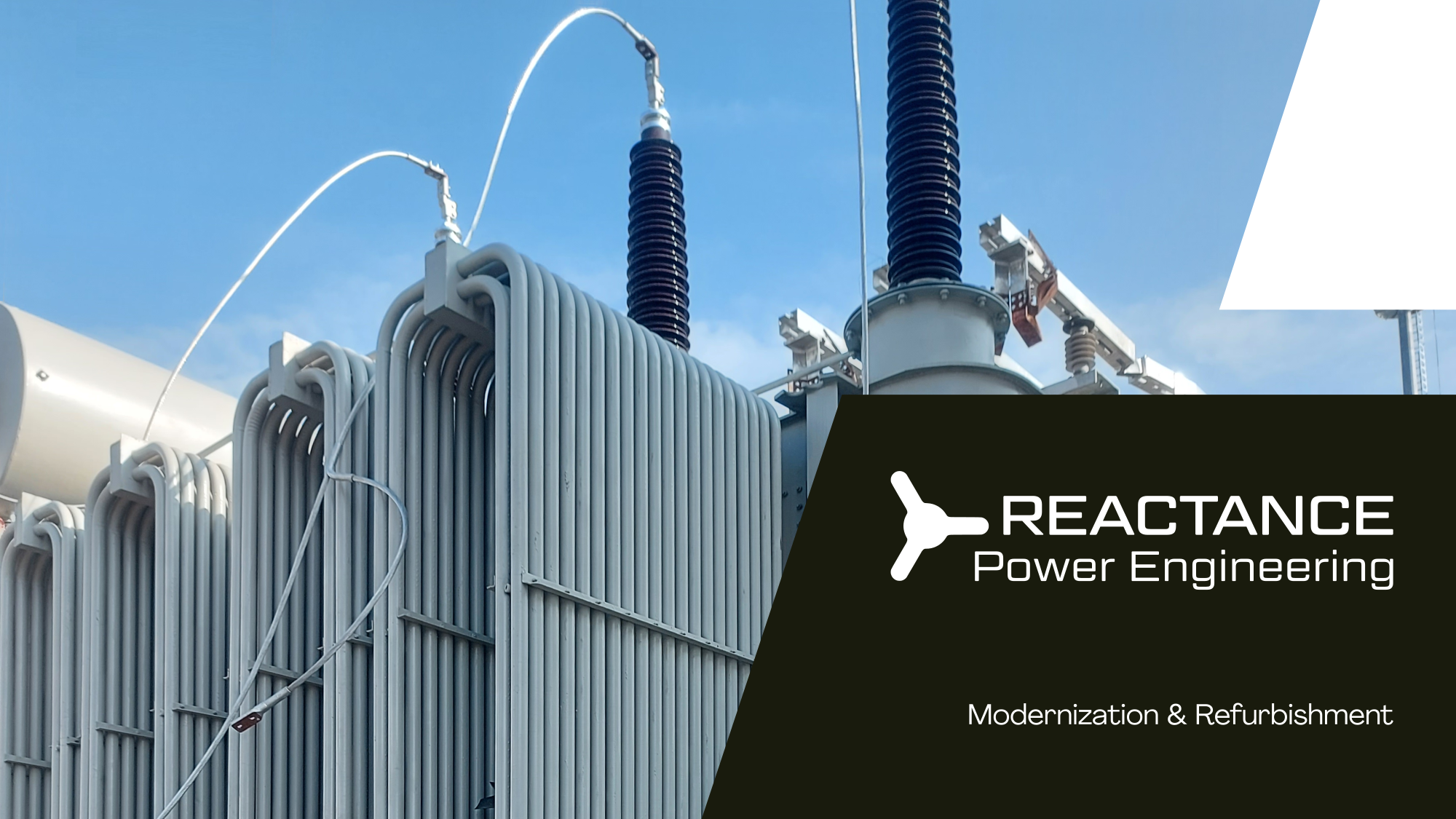
Modernization & Refurbishment
Extend asset life, defer CAPEX, restore reliability
When a transformer shows aging signs but replacement isn't the right answer — too expensive, too slow, or simply unavailable within today's 24–36 month lead times — Modernization & Refurbishment delivers a smarter solution.
We restore your asset to like-new condition and upgrade it to current standards: new RIP/RIS bushings, vacuum-type OLTC, oil regeneration with on-site insulation drying, modernized cooling, and integrated online monitoring.
Key client benefits
20–30% of replacement cost — typical M&R budget vs. new unit including installation
More →4–8 months vs. 24–36 months — back in service while a new transformer is still on order
20–30 years of additional service life with restored Health Index
OPEX or reduced CAPEX — easier to finance and approve than full replacement
No site reconstruction — fits existing foundations, civil works, and clearances
Preserves non-standard or unique units that are costly to replicate
Modern monitoring & IEC 61850 integration can be added during refurbishment
Every project starts with diagnostic-driven engineering and a transparent business case comparing M&R against replacement. We deliver the option that genuinely fits your fleet strategy.
Explore modernization & refurbishment →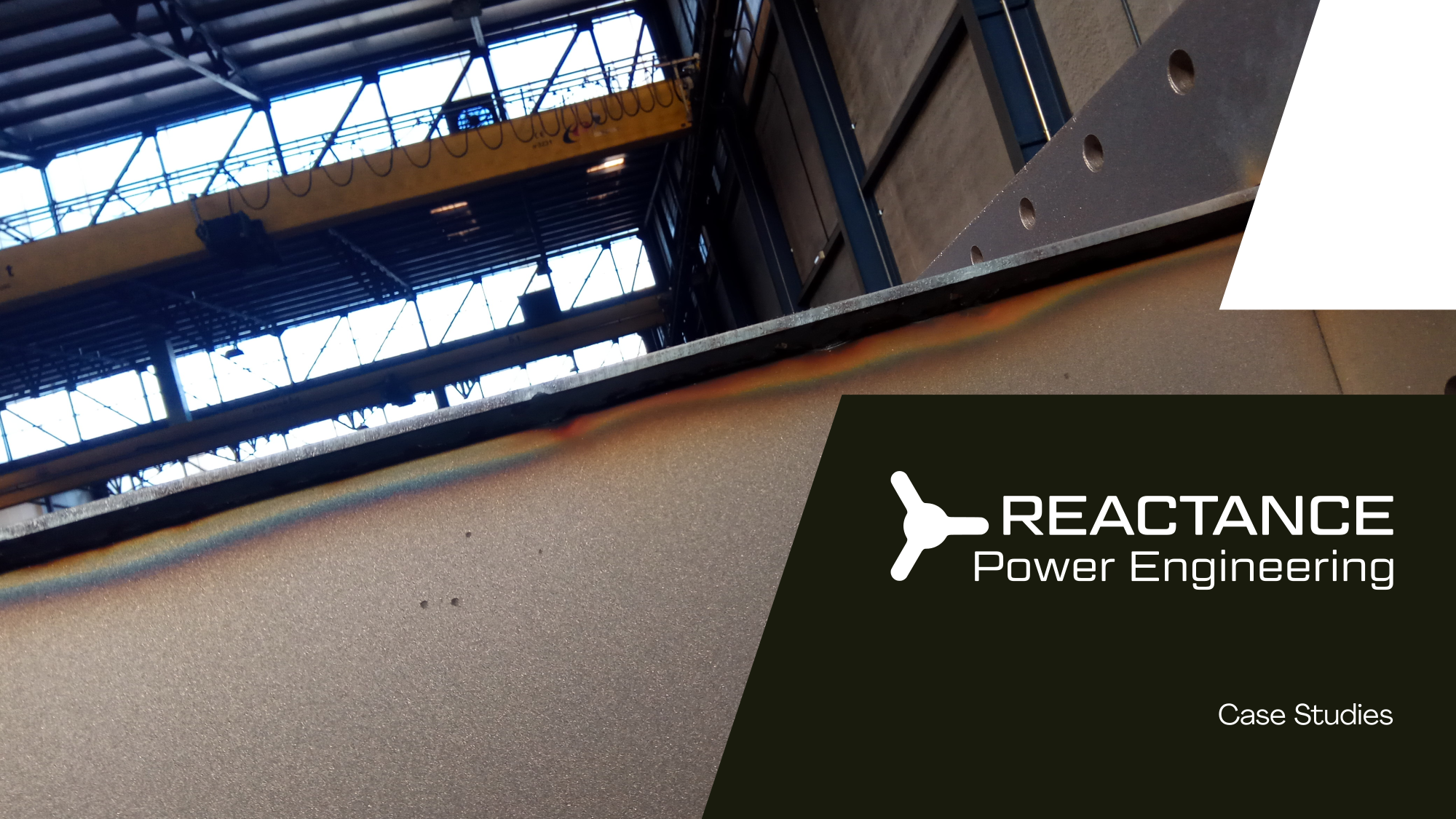
Case Studies
Trusted Partner for Critical Transformer Engineering
Our case portfolio spans the full lifecycle of high-voltage transformers and reactors — from forensic failure investigations to deep modernization projects on units up to 420 kV.
What we deliver
From emergency troubleshooting to complex refurbishment projects — we solve real transformer problems in operation.
Real engineering. Real results. Years added to assets others were ready to retire.
Explore case studies →
$ get in touch
> Mechelen, Belgium
_